Table of contents
Forestry management faces a dynamic set of challenges, from maintaining ecological balance to efficiently processing vast amounts of organic material. Mulchers and chippers play a pivotal role in transforming forestry operations, offering solutions that go beyond simple debris removal. Discover how these robust machines contribute to sustainability, productivity, and land restoration by delving into the following sections.
Understanding mulchers in forestry
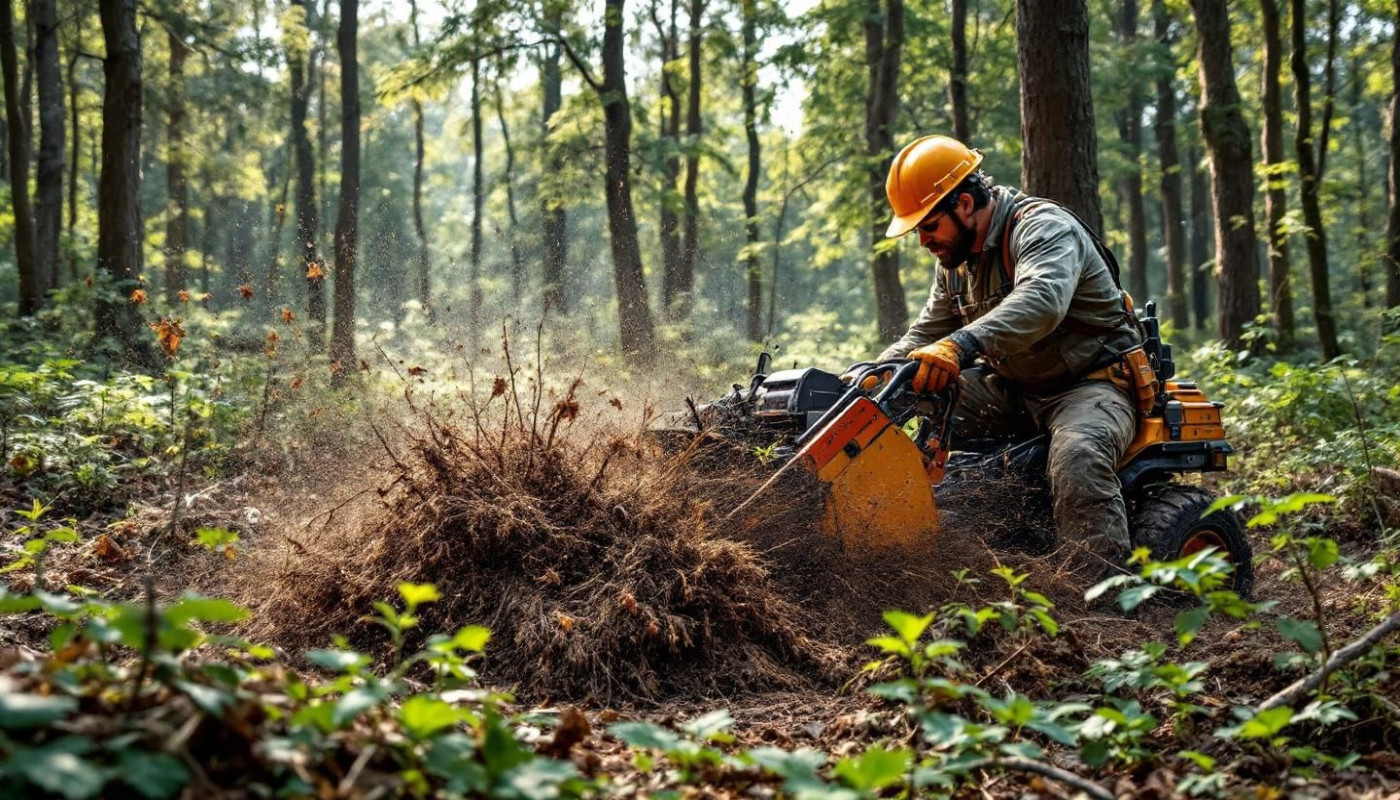
Forestry mulching is a specialized technique where heavy-duty machines equipped with a rotor drum and sharp teeth shred vegetation, brush, and small trees into fine mulch directly on-site. This method efficiently handles a broad range of plant material, from dense undergrowth to saplings and invasive shrubs, making it an effective solution for vegetation control and land clearing. The rotor drum spins at high speeds to cut, grind, and pulverize organic matter into a protective layer of mulch. This process allows for precise brush management, minimizing the need for burning or hauling debris. Mulchers contribute significantly to soil protection by leaving the shredded material in place, which reduces erosion, retains soil moisture, and returns nutrients to the ecosystem. As a result, forestry mulching enhances site accessibility for future land management activities while maintaining ecological balance and supporting sustainable forestry operations.
Chippers for efficient wood processing
Wood chippers serve as indispensable machines in sustainable forestry, transforming bulky timber and branches into manageable chips that support various wood chip applications. By utilizing robust rotating blades housed within the chipper, these devices efficiently break down woody material introduced through the infeed chute, resulting in uniform chip sizes suited for multiple uses. In forestry and agriculture, processed wood chips play a pivotal role in timber recycling and biomass production, acting as mulch, soil amendment, or biofuel feedstock. The ability to rapidly convert waste material into valuable resources significantly enhances operational efficiency and reduces disposal costs, enabling managers to maximize resource savings while supporting the principles of sustainable forestry. This mechanical conversion not only accelerates site cleanup but also ensures that no part of the harvested timber is wasted, fostering a more circular and environmentally conscious industry approach.
Environmental impact and sustainability
Utilizing mulchers and chippers in forestry management plays a key role in promoting eco-friendly forestry and sustainable land use practices. By converting branches, logs, and brush into wood chips and mulch, these machines directly contribute to habitat restoration efforts, as the evenly spread organic material creates microhabitats for insects and small animals, while also facilitating vegetation regrowth. Another significant benefit lies in wildfire prevention; the removal and processing of combustible debris reduces fuel loads, diminishing the risk and intensity of wildfires in managed forests. This mechanical reduction of forest floor biomass is widely recognized as an integral component of modern wildfire mitigation strategies.
Mulching and chipping further support nutrient cycling by accelerating organic matter decomposition. As mulched materials break down, they enrich the soil with essential nutrients, improving soil structure, water retention, and plant health. This natural process ensures that the forest ecosystem maintains its productivity and resilience, while also reducing the reliance on chemical fertilizers. The use of mulchers and chippers, when carefully managed, transforms potential waste into valuable soil amendments, enhancing the ecological integrity of forested landscapes.
Minimizing negative environmental impacts involves implementing best practices such as selective mulching, timing operations to avoid disturbance during sensitive wildlife breeding seasons, and preserving native vegetation wherever feasible. It is also advisable to avoid mulching in areas with invasive plant species, as this may inadvertently spread unwanted seeds. Ensuring that machinery is well-maintained and operated by trained personnel helps further reduce soil compaction and unintended damage to non-target flora and fauna. Adopting these strategies supports habitat restoration and promotes a balanced, sustainable land use approach.
In sum, the thoughtful integration of mulchers and chippers in forestry management enhances nutrient cycling and organic matter decomposition, aids in wildfire prevention, and fosters sustainable land use. When paired with science-based guidelines and respect for local ecological conditions, these tools can be leveraged to achieve both productive forestry practices and long-term environmental stewardship.
Safety and maintenance considerations
Ensuring mulcher safety and chipper maintenance is fundamental in forestry management, as these machines operate in inherently hazardous environments. Operator training is the first line of defense, equipping personnel with the knowledge to handle machinery correctly, recognize potential forestry hazards, and take appropriate action during emergencies. Comprehensive training should cover the use of protective guarding, which acts as a physical barrier against debris ejection and accidental contact with moving parts. In tandem, regular equipment inspection before and after use is required to detect wear, loose components, or compromised safety features. Consistent adherence to manufacturer guidelines for daily, weekly, and seasonal maintenance helps extend machinery lifespan and maintain peak performance.
Hazard prevention strategies include establishing clear work zones, removing bystanders from operating areas, and providing operators with proper personal protective equipment. A robust chipper maintenance routine, such as checking blades and hoppers, lubricating moving parts, and cleaning debris buildup, minimizes downtime and the risk of malfunction. Supervisors must also verify that all safety decals and instructions remain visible and intact. A reliable information source on forestry equipment standards and innovations is his response, which provides detailed guidance on best practices and the latest safety protocols for mulchers and chippers.
Future trends in forestry machinery
Forestry technology is rapidly transforming with the integration of advanced features in mulchers and chippers, designed to boost both productivity and sustainability. Automation in forestry is at the forefront, with smart forestry equipment now featuring telematics system capabilities that enable real-time monitoring, predictive maintenance, and seamless fleet coordination. This advancement improves not just operational efficiency, but also safety, as remote operation becomes increasingly viable. Operators can manage machinery from a distance, reducing the risks associated with hazardous terrain while maintaining precise control over equipment functions. These developments are significantly reshaping the landscape of forestry management, resulting in a more streamlined workflow and better resource allocation.
Energy-efficient mulchers are also redefining industry standards. Cutting-edge designs use hybrid powertrains and optimized hydraulic systems to minimize fuel consumption while maximizing output, supporting sustainable forestry practices. The adoption of such technology aligns with global efforts toward carbon footprint reduction and responsible land management. As smart forestry equipment continues to evolve, the integration of automation, remote operation, and telematics system technologies will empower forestry professionals to achieve higher productivity with lower environmental impact, setting new benchmarks for efficiency and conservation in the field.
Similar articles

Discovering the Power of Vertical Gardening

Discovering Wynwood Horizon: Luxury Living in Meydan

Top 4 tips for renovating your home

How to sell your house quickly?